How to Start a Small Herb Garden Indoors: A Beginner’s Guide
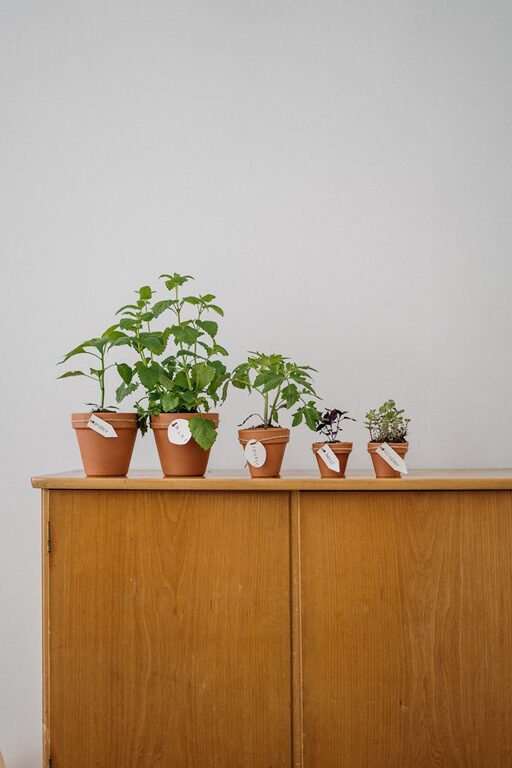
Starting a small herb garden indoors is a delightful way to bring fresh flavors into your kitchen while adding a touch of green to your living space. Whether you have limited outdoor space or just want the convenience of having herbs within arm’s reach, growing herbs indoors is an achievable project for anyone, even beginners.
In this guide, we’ll cover everything you need to know to start your own indoor herb garden — from picking the right herbs and containers to caring for your plants through each stage of growth. Let’s dig in!
Why Grow Herbs Indoors?
Growing herbs inside offers several benefits:
– Freshness: Harvest herbs anytime you need them, ensuring the best flavor and aroma.
– Convenience: No need to run to the store for small amounts of herbs.
– Aesthetic appeal: Green plants brighten up your kitchen or any room.
– Air quality: Plants help improve indoor air by adding oxygen and filtering pollutants.
Choosing the Right Herbs for Indoor Growing
Not all herbs thrive indoors, so start with easy-to-grow varieties:
– Basil: Loves sunlight and warm temperatures, perfect for cooking.
– Mint: Hardy and fast-growing, mint thrives even with less light.
– Parsley: Grows well indoors with moderate light.
– Chives: Adaptable and low-maintenance.
– Thyme: Does well with bright, indirect sunlight.
– Oregano: Requires similar conditions to thyme and is very hardy.
Choose herbs that you frequently use in cooking to make your garden more useful and enjoyable.
Selecting Containers and Soil
Containers
Herbs do best in pots with good drainage. Consider:
– Material: Ceramic, clay, or plastic pots all work, but ensure they have drainage holes.
– Size: A 4 to 6-inch pot is ideal for most herbs.
– Style: Choose containers that suit your decor and are easy to move.
Soil
Use a high-quality potting mix designed for indoor plants or herbs. Avoid garden soil, which might be too dense and carry pests.
Setting Up Your Herb Garden
Step 1: Find a Suitable Spot
Most herbs need 6–8 hours of bright, direct sunlight daily. A south- or west-facing windowsill is ideal. If natural light is limited, consider using a grow light to supplement.
Step 2: Prepare the Pots
– Add a layer of small stones or gravel to the bottom for extra drainage.
– Fill pots with potting soil, leaving about an inch of space from the top.
Step 3: Plant Your Herbs
– If starting from seeds, follow packet instructions for planting depth.
– For seedlings or small plants, gently remove from nursery pots and plant at the same depth.
– Water lightly to settle the soil around roots.
Caring for Your Indoor Herb Garden
Watering
– Water when the top inch of soil feels dry.
– Avoid overwatering; excess water can lead to root rot.
– Use room temperature water.
Light
– Rotate pots every few days to ensure even growth.
– Supplement with grow lights if natural light is insufficient.
Temperature and Humidity
– Most herbs prefer temperatures between 65–75°F (18–24°C).
– Keep herbs away from drafts and heating vents.
– Mist herbs occasionally or place a humidifier nearby if air is dry.
Feeding
– Use a balanced liquid fertilizer diluted to half strength every 4 to 6 weeks during growing season.
– Avoid over-fertilizing, which can reduce flavor.
Harvesting Your Herbs
– Snip leaves from the top to encourage bushier growth.
– Harvest in the morning when oils are most concentrated.
– Regular harvesting promotes continued plant health.
Troubleshooting Common Issues
| Problem | Cause | Solution |
|————————|——————————|————————————-|
| Yellowing leaves | Overwatering or poor drainage | Let soil dry out; improve drainage |
| Leggy, sparse growth | Insufficient light | Move to sunnier spot or add grow light |
| Wilting leaves | Underwatering or heat stress | Water thoroughly; check for drafts |
| Pests (e.g., aphids) | Introduced from elsewhere or poor air circulation | Wipe leaves; use natural insecticides |
Benefits Beyond Flavor
Indoor herb gardening isn’t just about cooking. It can also be a relaxing hobby, improve your indoor environment, and help you connect with nature. Plus, growing your own herbs reduces waste from store-bought packaging.
Final Tips for Success
– Start small: Pick 3–5 herbs at first to avoid feeling overwhelmed.
– Be patient: Herbs take time to grow, especially from seed.
– Keep notes: Track watering schedules, growth, and any issues to learn what works best.
– Enjoy the process and experiment with different herbs over time.
—
With these simple steps, you can enjoy the satisfaction of fresh herbs at your fingertips all year long. Happy gardening!